
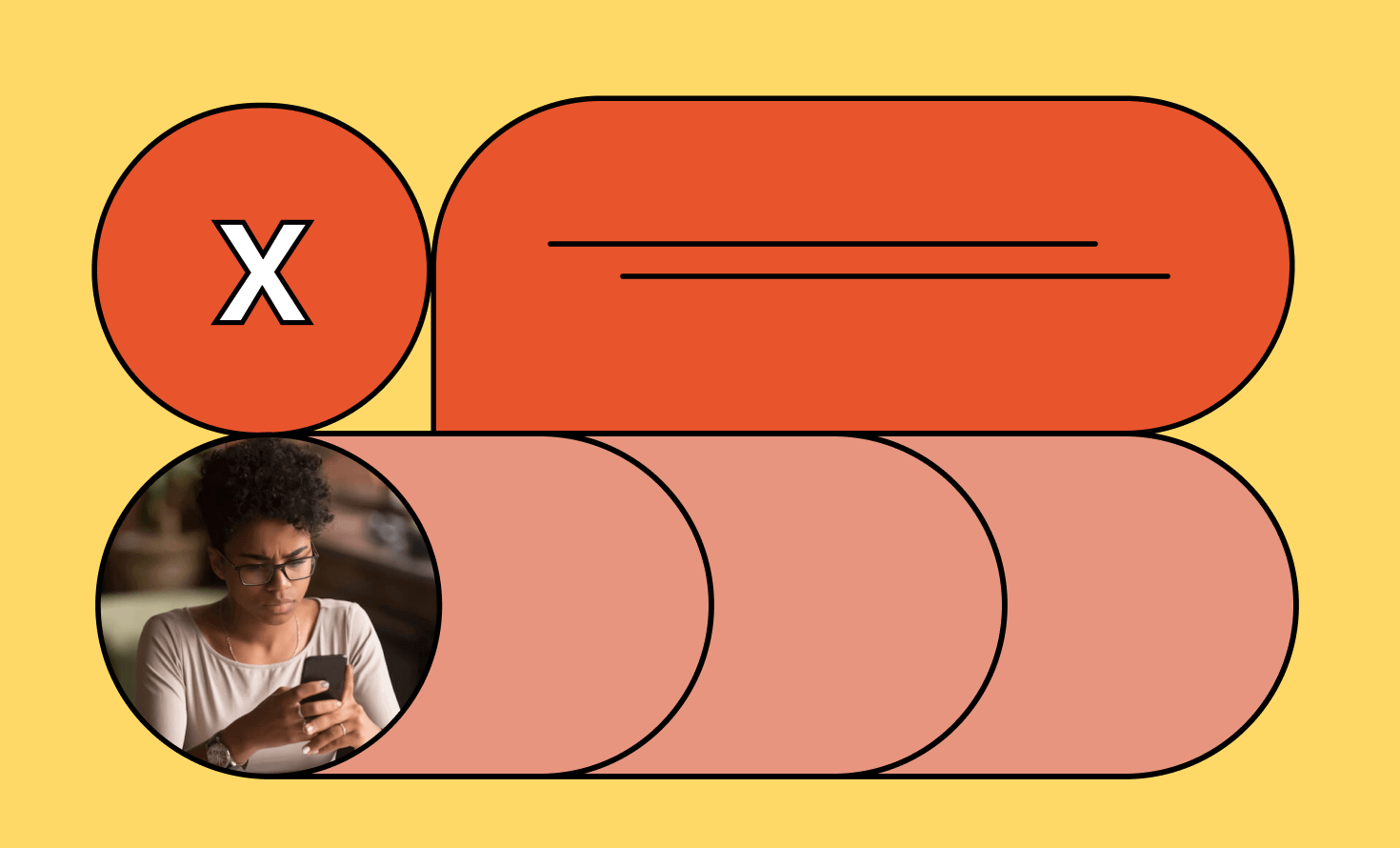
Spam texts are annoying at best—and at worst, they’re designed to trick you into clicking a link, sharing personal information, or replying to confirm your number is active.
Whether it’s an endless stream of promotions, fake delivery alerts, or messages from someone you’d rather not hear from, unwanted texts have a way of piling up fast.
Fortunately, once you know how to block text messages, it’s much easier to keep your inbox focused instead of spending time reacting to interruptions.
Learn how your business can block texts and boost security at scale. 🔒
Get the guideWhy should I block text messages?
Blocking text messages helps you stop problems before they turn into distractions. Instead of constantly deciding which messages deserve your attention, you can shut down unwanted conversations altogether and keep your inbox focused on what matters.
For individuals, blocking texts is a simple way to reduce noise and limit exposure to suspicious links or misleading messages. Your phone won’t tell the sender they’ve been blocked, so you can move on without inviting follow-ups or escalation.
For businesses, blocking is just as much about focus as it is about protection. Spam, abusive messages, and repeat offenders can clutter shared inboxes and slow down response times for real customers. Blocking those numbers helps teams stay organized, protect agents from potential abuse, and keep customer conversations moving efficiently.
How do I block text messages on my phone?
Blocking text messages is built into both iPhone and Android, and it only takes a few taps once you know where to look. If you’re trying to figure out how to block someone from texting you, the steps below will walk you through it on both devices.
Blocking texts via Messages on iPhone
To block a number from texting you on your iPhone:
- Open the Messages app.
- Open the conversation from the number you want to block.
- At the top of the screen, tap the number or contact.
- Tap the “info” button.
- Scroll to the bottom of the screen, and select “Block this Caller.”
- On the pop-up screen that appears, click “Block Contact” one more time.
Now, you won’t receive phone calls, messages, or FaceTime from that number.
Filtering out texts on iPhone
You cannot block messages from unknown senders on an iPhone, but you can filter texts from unknown senders into a different tab. Here’s how:
- Open the Settings app.
- Select “Messages” from the menu.
- Toggle on the “Filter Unknown Senders” option.
With this setting enabled, Messages will automatically sort messages from people who aren’t in your contacts into an Unknown Senders list, so they don’t interrupt your main inbox.
Blocking texts on Android
The steps for blocking texts on Android vary depending on your device and which texting app you use. If your phone uses the standard Messages app, you can block a sender with the following process:
- Open the Messages app.
- Open the conversation from the number you want to block.
- Tap the three dots (top right).
- Tap Details (or Block & report spam, depending on your device).
- Select Block (optionally Report spam), then confirm.
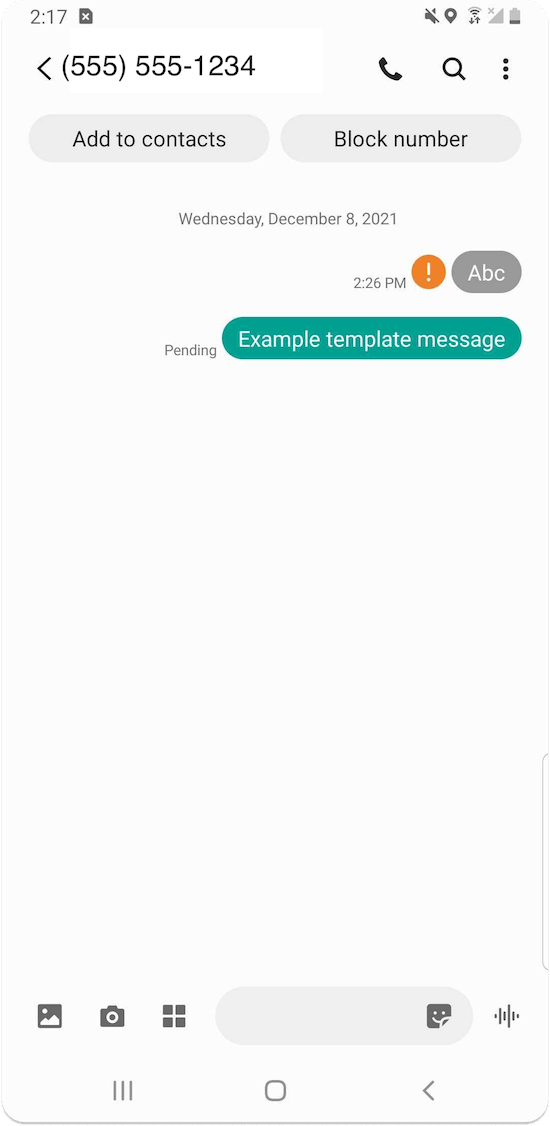
This will prevent the number from sending you future messages.
Filtering spam texts on Android
Android phones don’t offer a manual “filter unknown senders” setting like iPhone, but most devices automatically filter suspected spam texts.
If you’re using Google Messages, spam detection is usually turned on by default. When enabled, messages flagged as spam are moved out of your main inbox and into a Spam & blocked folder, where they won’t interrupt you.
To check or adjust spam filtering in Google Messages:
- Open the Messages app.
- Tap your profile icon or the three dots in the top corner.
- Tap Settings.
- Select Spam protection.
- Make sure Enable spam protection is turned on.
You can also report individual messages as spam, which helps improve filtering over time.
Blocking texts with third-party apps
If you want more advanced options for blocking texts on your iPhone or Android device, consider one of the many call-and-text-blocking apps. But before you install one, review what permissions it requests and avoid sharing sensitive information.
Some popular options include:
- Should I Answer?: Block known numbers or automatically block hidden numbers.
- Hiya: Block texts and identify potential spam across multiple networks, including AT&T, Verizon, and T-Mobile.
- Truecaller: Block texts and search for unknown numbers from a community spam list.
How do I block text messages on my computer?
Blocking text messages on a computer depends on how you receive messages. If you’re using a consumer messaging app with a desktop version, you can usually block a sender from the conversation settings. For teams, blocking is most often handled inside a business texting platform, like Heymarket, so one system-wide block applies for everyone and prevents the same number from resurfacing across the inbox.
Companies often use a text service for business messaging to avoid the risks of using a personal phone at work while still providing fast, accessible customer service.
Your business texting platform should make it easy to block texts from a number when they repeatedly send spam, abusive messages, or irrelevant outreach. The process looks different for every business texting platform, but in most cases, all you have to do is:
- Find the contact you want to block, either from the contacts menu or by selecting a conversation with them and opening their contact panel.
- Under “Status,” click the dropdown menu and select “Block.”
Choosing how to block text messages
The method you choose for blocking texts depends on the device you’re using and where the messages are showing up. On a personal phone, blocking is usually as simple as stopping a specific sender and filtering messages from unknown numbers. In a business inbox, blocking works the same way—by removing unwanted senders so shared conversations stay organized and easy to manage.
Blocking texts takes a minute, but the payoff is immediate: a calmer inbox, fewer distractions, and less time spent dealing with messages you didn’t ask for. And once you’ve set it up, you can get back to communicating with people you actually want to hear from.
To learn more about boosting SMS security for your business, read our Text Messaging Compliance Guide.